Making Sure You Get Quality Temperature-Controlled Transportation
December 15, 2015
How to Find the Right LTL Carrier
February 15, 2016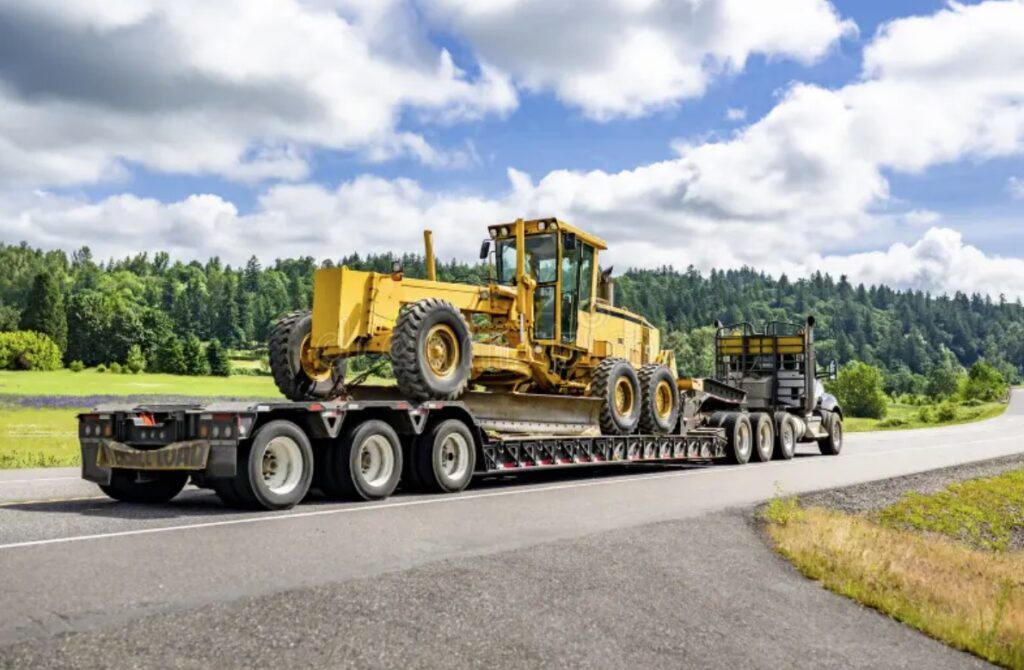
Flatbed Shipping, Wide Loads & Over-Dimensional Shipments Explained
Flatbed shipping is the best solution for oversized freight. Furthermore, it handles cargo that simply won’t fit in a standard enclosed trailer. If your load is too wide, too tall, or too long, you likely need flatbed, wide load, or over-dimensional shipping. Without proper planning, however, shipments face serious delays and unexpected costs. Therefore, this guide covers the essentials so you’re fully prepared before you book.
Flatbed Shipping: Legal Dimensions You Need to Know
First, understanding legal dimensions saves you significant money. Standard flatbed shipping allows these maximum sizes: 
- Height: 8 feet, 6 inches
- Width: 8 feet, 6 inches
- Length: 48 feet
- Weight: Up to 45,000 pounds
In addition, some overhang may be permitted on certain routes. Always confirm with your carrier before loading, though. Loads that exceed these limits require special permits. As a result, permit costs add up very quickly. Therefore, stay within legal limits whenever your load allows it.
Always give your shipper exact dimensions and total weight upfront. In fact, accurate info prevents costly billing surprises later. Even small measurement errors can trigger permit fees or load rejections at weigh stations.
Wide Load Shipping: Rules, Permits & State Requirements
Wide load and over-dimensional shipments follow strict state regulations. Moreover, rules vary significantly from state to state. For example, some states require: 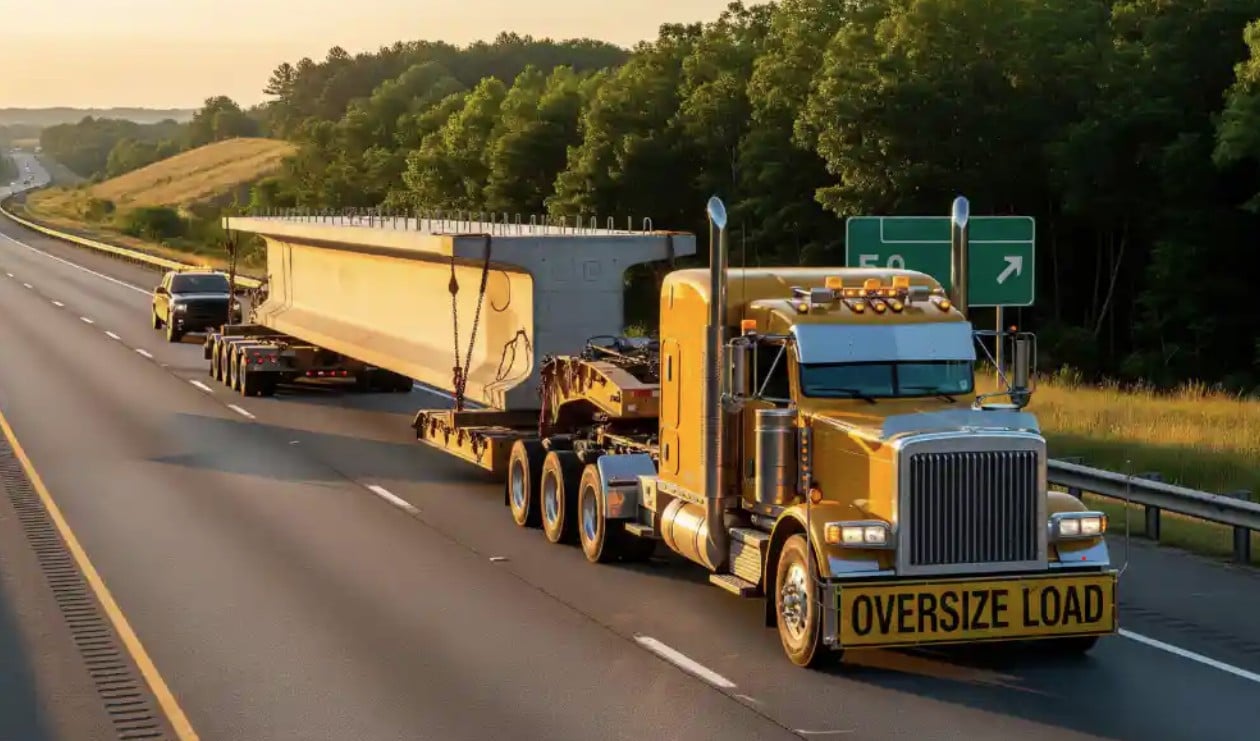
- Escort vehicles (pilot cars)
- Daytime travel restrictions
- Special routing approvals in advance
Additionally, some states charge different permit fees depending on load weight and width. According to the Federal Highway Administration, permit requirements differ substantially across state lines. Therefore, careful route planning before dispatch is essential.
Consequently, working with an experienced carrier reduces compliance risk considerably. West Coast Carriers handles wide load compliance daily. For more details, visit our over-dimensional trucking page.
How to Prepare Your Flatbed Shipping Quote Accurately
Accurate quoting starts with accurate information. Before calling your carrier, gather the following details:
- Exact dimensions: height, width, and length
- Total weight including packaging and pallets
- Pick-up and delivery addresses
- Any special loading or unloading requirements
Furthermore, tell your carrier if your load has unusual shapes or fragile components. As a result, they can plan the right equipment from the start. Consequently, you avoid costly last-minute changes on pickup day. In short, preparation leads directly to accurate pricing.
Why Experience Matters in Flatbed Shipping
Not every carrier handles flatbed shipping well. In contrast, experienced logistics teams consistently deliver better outcomes. Specifically, experienced teams do three things better:
- Gather the right details upfront — therefore avoiding quote errors

- Navigate complex permit requirements — consequently saving you time
- Suggest cost-saving load configurations — thus protecting your budget
The American Trucking Associations notes that specialized freight requires proven carrier expertise. For this reason, always choose a carrier with a strong track record in oversized loads.
Additionally, experienced carriers know which routes minimize permit costs. They also understand seasonal restrictions that affect wide load travel. As a result, your shipment moves faster and more affordably.
West Coast Carriers specializes in flatbed shipping across the western U.S. See our flatbed trucking services for full details.
Cargo Securement Rules for Flatbed Shipping
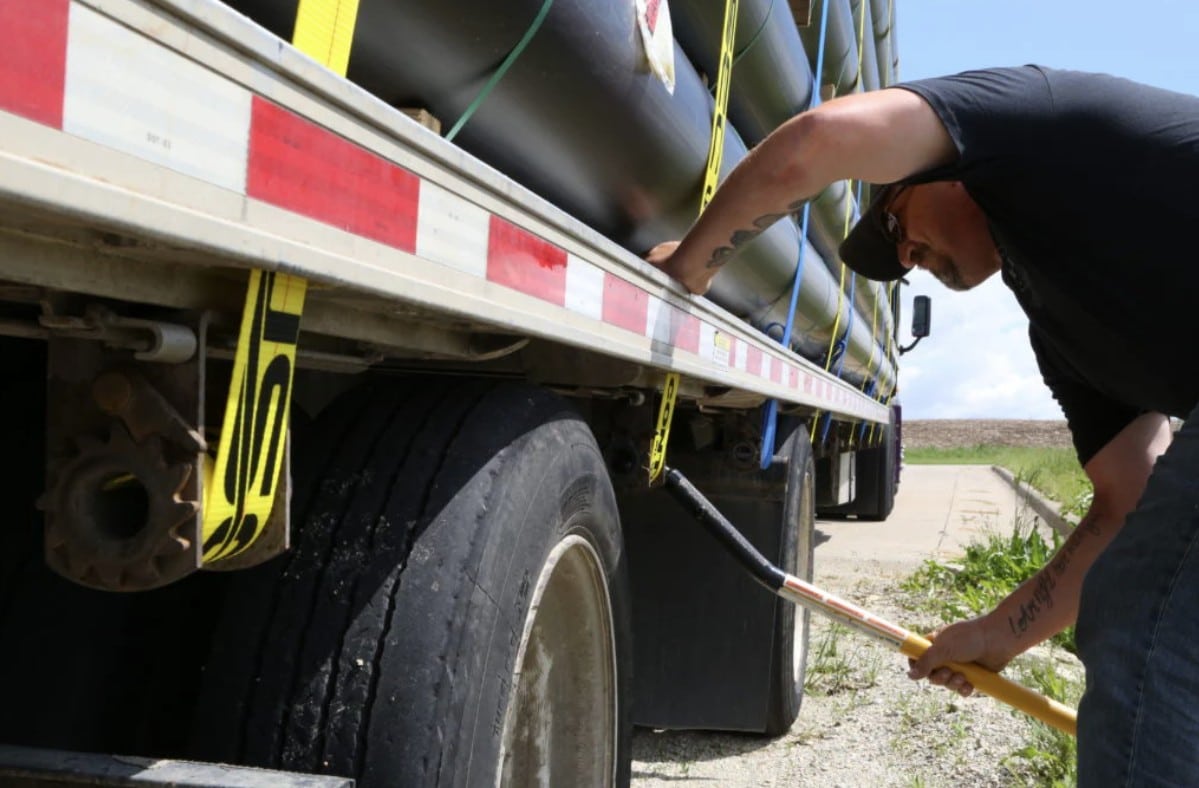
Proper load securement is critical for flatbed shipping safety. Unlike enclosed trailers, flatbeds expose cargo to wind and road forces. Therefore, federal rules govern exactly how loads must be secured.
The FMCSA cargo securement regulations outline specific requirements including:
- Minimum number of tie-down straps by cargo weight
- Approved securement devices and ratings
- Edge protection requirements for sharp-cornered loads
Furthermore, improper securement leads to fines, accidents, and cargo damage. As a result, always confirm your carrier follows FMCSA securement standards before loading.
Insurance, Loading & Other Flatbed Shipping Factors
Flatbed shipping involves more than just dimensions and permits. Additionally, several other factors affect your shipment’s success:
Insurance: First, check whether your existing policy covers over-dimensional cargo. If not, ask your carrier about additional coverage options. In many cases, standard cargo insurance doesn’t cover specialized equipment.
Loading & unloading: Moreover, fragile or heavy items need specialized equipment. Cranes, forklifts, and lowboy trailers may be required. Consequently, communicating equipment needs early prevents pickup day delays.
Load securement planning: Finally, discuss strapping and blocking strategy with your carrier in advance. Proper blocking protects cargo integrity throughout the entire journey.
For additional guidance on oversized freight regulations, the FMCSA is a reliable federal resource.
Ready to Book Your Flatbed Shipping?
Flatbed shipping doesn’t have to be stressful or confusing. In fact, with the right carrier, the process is straightforward. West Coast Carriers manages wide load, over-dimensional, and flatbed shipments with precision and care.
Moreover, our team handles permit coordination, route planning, and load securement from start to finish. As a result, you spend less time worrying and more time running your business.
Call us today or visit our flatbed trucking page or you can click here to request a freight quote.