

Best Trucking Routes: A West Coast Flatbed LTL Driver’s Guide
5 Trucking Services Everyone Needs
May 16, 2016Understanding Factors that Go Into LTL Shipping
July 15, 2016
Best Trucking Routes: A West Coast Flatbed LTL Driver’s Guide
West coast flatbed LTL shipping connects businesses across America’s most important freight corridors. Furthermore, experienced drivers know that choosing the right west coast flatbed LTL route makes all the difference. Long-haul truckers weigh several critical factors before accepting any new haul. Consequently, understanding these factors helps drivers and trucking companies make smarter decisions together. Additionally, the right route choice protects cargo, cuts costs, and reduces driver fatigue significantly. Learn more about our freight shipping services and how we support drivers across every major route.
West Coast Flatbed LTL Route Length and Driver Pay
Route length directly impacts earnings for every long-haul driver on the road. Moreover, most trucking companies calculate driver pay based on total miles driven. Therefore, longer west coast flatbed LTL runs often generate significantly higher income for experienced drivers. However, short routes aren’t always the worst financial option available to drivers. For instance, high-frequency short hauls can sometimes match longer route earnings overall. Nevertheless, most drivers prefer longer, well-paying interstate runs when given the choice. Explore our long-haul trucking solutions to find the right fit for your next freight run. According to the American Trucking Associations, mileage-based pay remains the industry standard nationwide.
 Traffic Congestion and Delivery Schedules
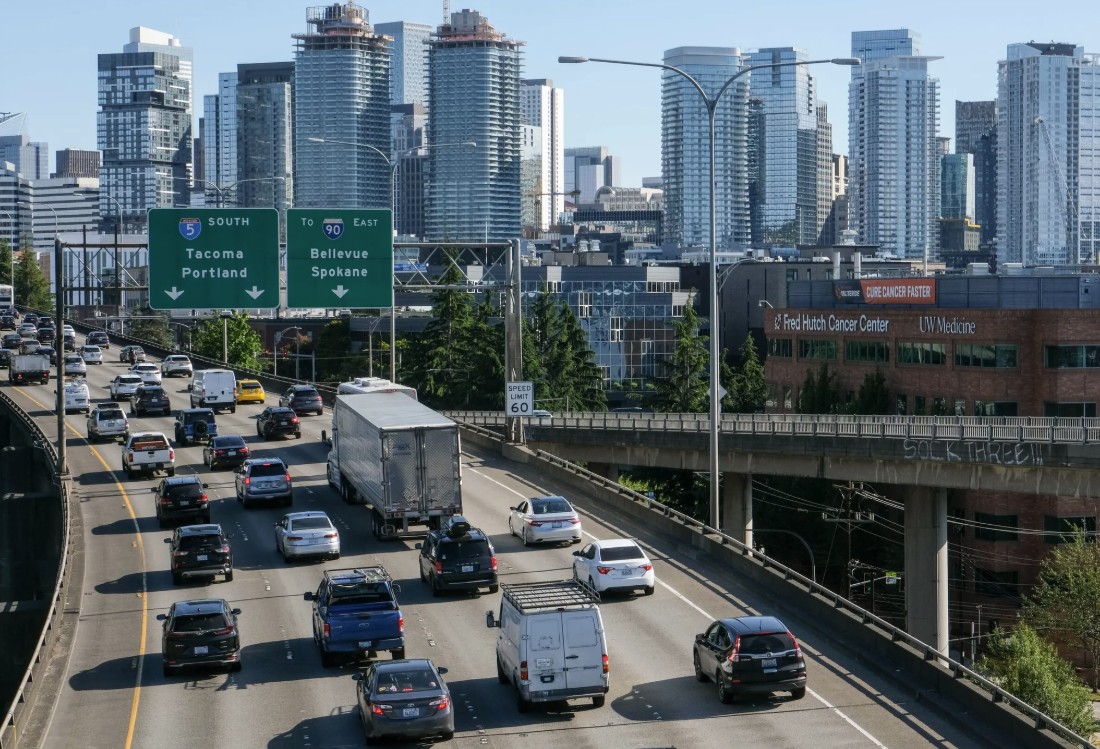
Heavy traffic makes any long-haul trucking route far more challenging and stressful. Furthermore, congestion forces drivers to spend extra unpaid hours sitting on the road. As a result, stress levels rise and accident risks increase considerably for all drivers. In addition, stop-and-go conditions strain vehicle engines and increase fuel consumption noticeably. For example, major urban corridors like Los Angeles and Seattle regularly create serious delays. Therefore, experienced drivers actively plan routes around known high-congestion areas whenever possible. Consequently, smarter route planning protects both delivery schedules and driver wellbeing equally well. The Federal Motor Carrier Safety Administration links congestion directly to increased commercial vehicle accident rates consistently.
Road Quality and Long-Haul Driver Safety
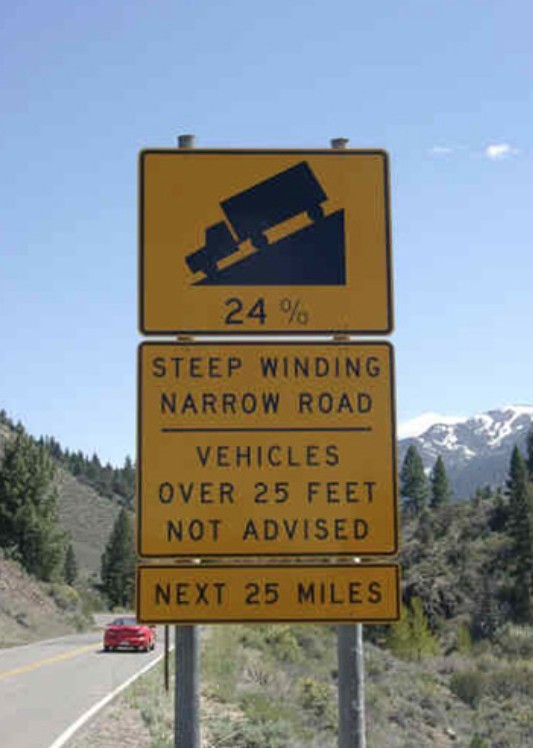
Road quality matters enormously for driver comfort and vehicle maintenance costs overall. Moreover, wide, well-maintained highways significantly reduce mechanical wear on commercial trucks. However, steep grades and sharp switchbacks challenge even the most experienced long-haul drivers daily. In contrast, smooth, flat interstates allow drivers to maintain consistent speeds more easily. Additionally, poor road surfaces increase tire wear and raise the risk of cargo damage. For instance, mountain passes along the west coast demand extra caution from all drivers. The Federal Highway Administration regularly publishes road condition data useful for route planning. Visit our route planning resources for additional guidance on road conditions across major corridors.
 Scenic Routes and Driver Alertness
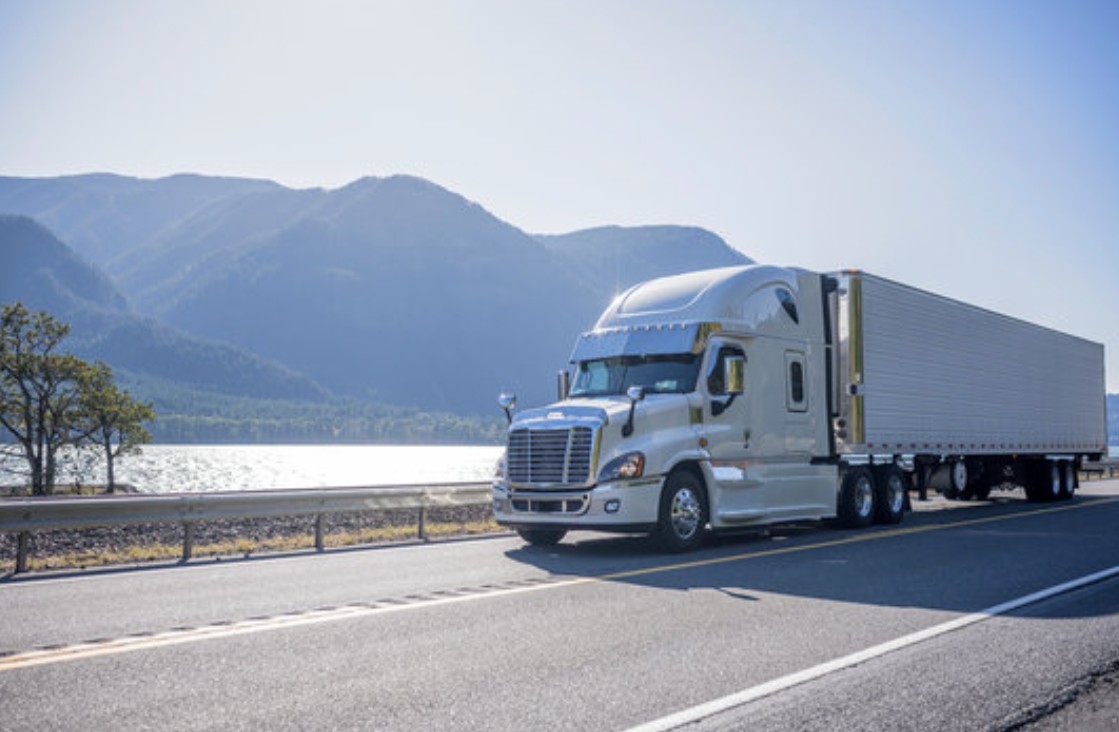
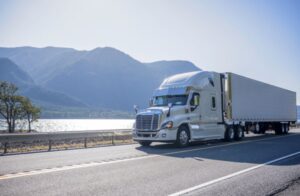
Scenic routes offer long-haul drivers more than just visual enjoyment along the way. Furthermore, research consistently shows that visual variety helps drivers stay mentally alert much longer. For example, coastal highways, desert stretches, and mountain passes each stimulate driver attention differently. Additionally, opportunities to spot wildlife naturally break up monotonous miles on long hauls. As a result, drivers who choose visually engaging routes report lower fatigue levels overall. Moreover, reduced fatigue directly correlates with fewer accidents and better on-time delivery performance consistently. Therefore, scenery deserves genuine consideration when planning any long interstate trucking route today. Ultimately, alert drivers deliver freight safer and faster than fatigued ones every single time.
Alternative Route Planning for Freight Drivers 

Every strong trucking route needs reliable backup options planned well in advance. Furthermore, weather events, accidents, and road closures regularly disrupt even the best-planned hauls. Therefore, experienced drivers always identify alternative corridors before departing on any long run. In addition, trucking companies that plan detour options reduce costly cargo delays significantly. For instance, a single highway closure can add hours to an already demanding schedule. Consequently, flexibility in route planning separates good freight operations from truly outstanding ones consistently. Moreover, GPS tools and real-time traffic apps now make alternative route planning faster and easier. According to Weather.gov, severe weather events increasingly disrupt major freight corridors across the west coast annually. Check our freight delay policies to understand how we handle unexpected route disruptions professionally.
 Rest Stops and Trucker Amenities on Key Routes
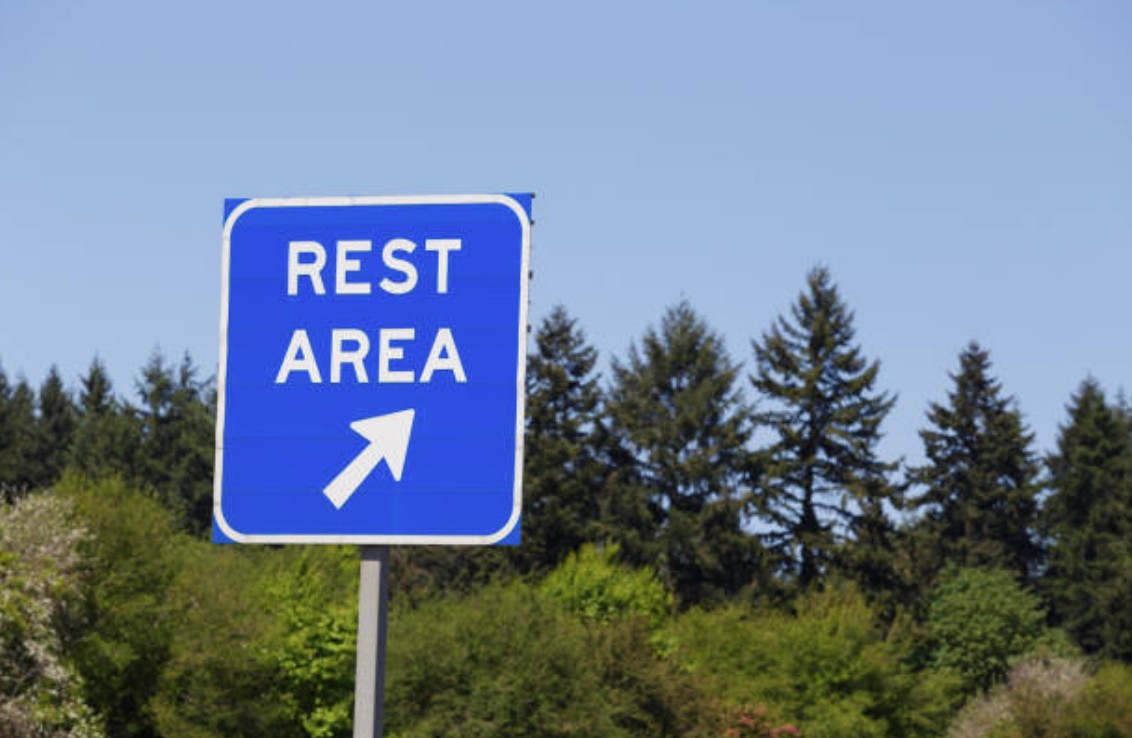
Rest stop availability plays a critical role in long-haul driver satisfaction and safety. Furthermore, drivers must legally take mandatory rest breaks under federal Hours of Service regulations. Therefore, routes with well-spaced, well-equipped truck stops rank significantly higher among experienced drivers. In addition, access to fuel, food, showers, and safe parking reduces driver stress considerably. For example, the I-5 corridor offers numerous full-service truck stops across its entire length. However, some rural routes lack adequate rest facilities, making long hauls far more difficult. Consequently, drivers and dispatchers should always map rest stop locations carefully before every departure. Moreover, proper rest directly improves driver alertness, cargo safety, and on-time delivery rates overall.
Seasonal Conditions Affecting West Coast Flatbed LTL Routes 
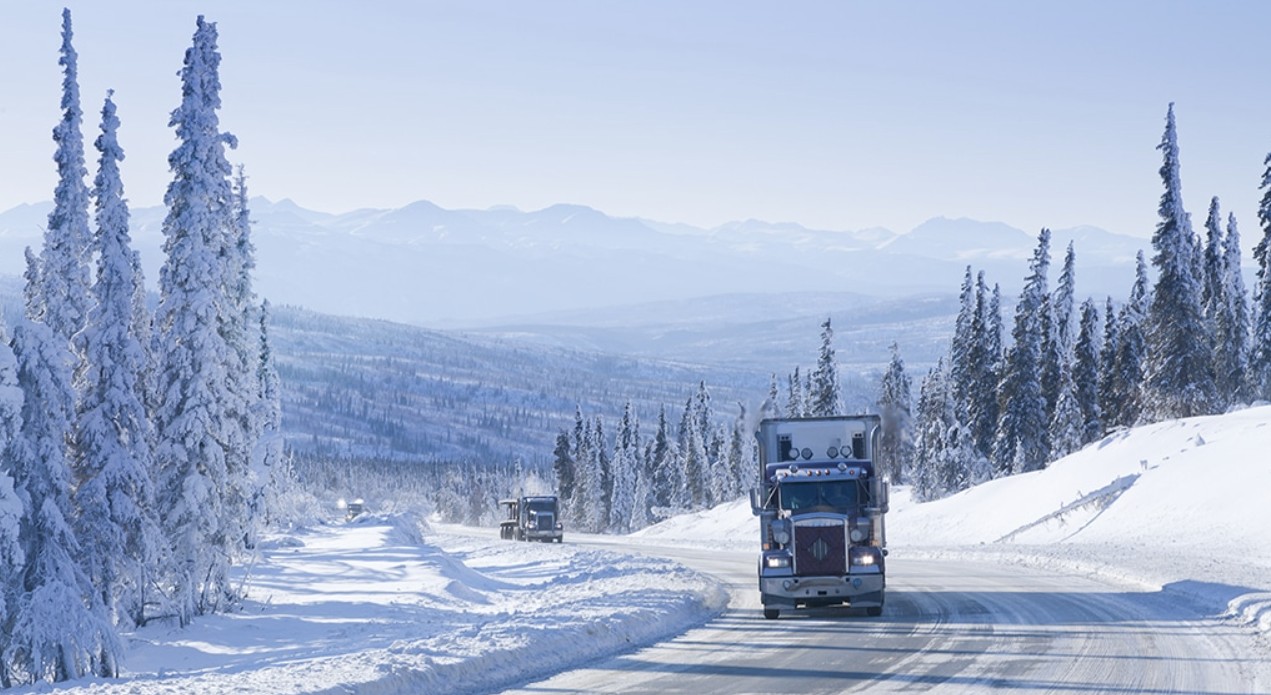
Seasons significantly affect route conditions and overall haul difficulty across the west coast. Furthermore, winter weather creates serious hazards on mountain passes and northern interstate routes regularly. Therefore, experienced drivers adjust their preferred routes based on current seasonal conditions carefully. For instance, chains are frequently required on Siskiyou Pass during winter storm events each year. Additionally, summer heat affects cargo integrity on routes through inland desert regions considerably. As a result, seasonal route planning becomes especially critical for all temperature-sensitive freight shipments nationwide. Moreover, staying informed about seasonal road conditions helps drivers avoid dangerous and costly delays consistently. Consequently, the most successful long-haul drivers treat seasonal planning as a year-round professional priority always. Read our seasonal freight shipping guide for detailed tips on managing west coast route conditions year-round.